

AGR3000: Agriculture Safety – Course Overview
Students recognize and assess the hazards and manage the risks associated with working in agriculture. This course emphasizes real-world application of safety practices within farm, ranch, and rural environments.
📋 Course Parameters:
Supports practical, hands-on safety learning in rural settings
🔗 Supporting Courses:
- AGR1010: Introduction to Agriculture
- HCS2020: First Aid/CPR with AED
- HCS3000: Workplace Safety Systems
🎯 Key Learning Outcomes:
- Identify and describe agricultural hazards
- Predict hazards in farm and ranch settings
- Provide examples of chemical, physical, ergonomic, biological, and psychosocial hazards in agricultural environments
- Describe machinery hazards: pinch points, wrap points, shear points, pull-in points, crush points
- Recognize animal-related hazards and proper handling techniques
- Identify environmental hazards: sun exposure, water hazards, fuel, and human factors
- Demonstrate agricultural safety standards and practices
- Fire Safety: Understand classifications, fire elements, extinguisher types, and fire prevention planning
- Electrical Safety: Identify hazards and apply lockout/tagout procedures
- Ladder Safety: Identify ladder types, safe use, care, and inspection
- Confined Space Safety: Identify confined spaces, hazards, pre-entry testing, rescue planning
- Chemical Safety (WHMIS): Understand WHMIS classifications, labels, SDS, and handling responsibilities
- Apply hazard response and risk control techniques
- Use appropriate PPE (e.g., helmets, respirators, gloves, boots)
- Demonstrate safe ergonomic practices for common tasks (lifting, shoveling, bending)
- Implement safe practices around animals
- Create a rural emergency response kit and action plan
- Prepare targeted health and safety action plans for:
- Machinery and equipment
- Chemicals
- Fire and electrical hazards
- Environmental hazards
- Research agricultural health and safety legislation and exemptions
- Demonstrate Basic Competencies
- Fundamental Skills: Communication, information management, numeracy, problem-solving
- Personal Management Skills: Positive behavior, responsibility, adaptability, continuous learning, safety awareness
- Teamwork Skills: Collaborate and contribute to group tasks
📊 Evaluation:
After completing the course, students must let their teacher know so they can be issued appropriate course credit.
🎓 Certification:
Certification is available upon successful completion of all course requirements and passing exam mark of 70%.
HCS3000: Workplace Safety Systems – Course Overview
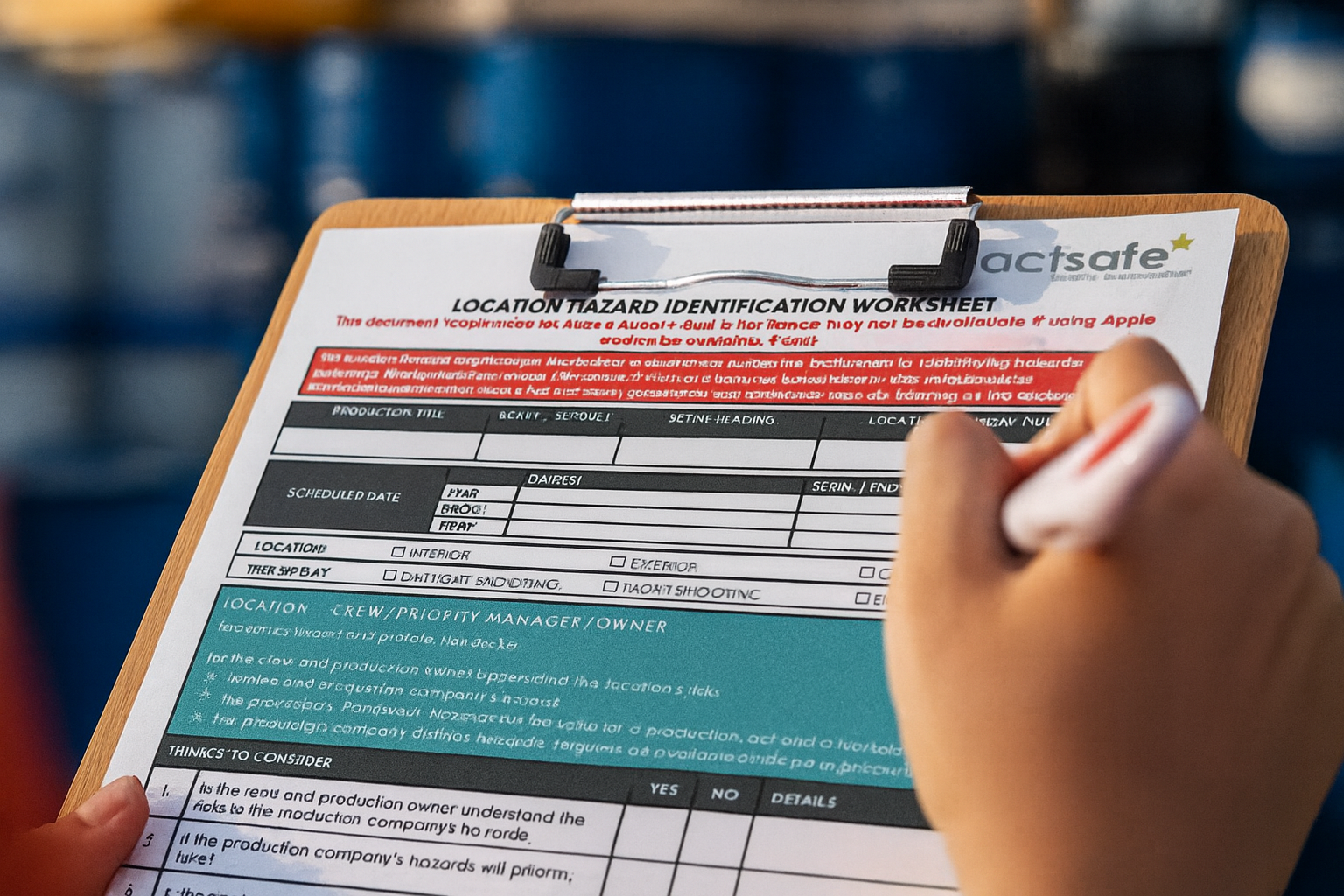
This course helps students develop the knowledge, attitudes, and skills necessary for understanding and applying workplace health and safety practices. It emphasizes legal awareness, hazard identification, and safety management systems aligned with Alberta legislation.
📌 Course Parameters:
- Note: This is the prerequisite course for all off-campus learning experiences.
📘 Key Learning Outcomes:
- Workplace Health & Safety Management Systems
- Identify 8 key elements:
- Leadership & Organizational Commitment
- Hazard Identification & Assessment
- Hazard Control
- Ongoing Inspections
- Qualifications & Training
- Emergency Response
- Incident Reporting & Investigation
- System Administration
- Explain implications of each element
- Identify these systems in real or simulated worksites
- Identify 8 key elements:
- Hazard Identification, Assessment & Control
- Predict hazards in diverse workplaces (e.g., office, restaurant, construction, childcare)
- Distinguish 5 hazard types: chemical, physical, ergonomic, biological, psychosocial
- Explore hazards in specific occupational areas
- Apply terms such as hazard, risk, exposure, injury, and incident
- Communicate hazard information clearly to peers and supervisors
- Plan and document hazard control strategies
- Legislation & Workplace Responsibilities
- Research and summarize:
- Occupational Health and Safety (OHS) Act, Regulation & Code
- Workers’ Compensation Act
- Employment Standards Code
- Develop glossary of key terms (e.g., employer, PPE, muster point, COR)
- Differentiate employer and worker roles and responsibilities
- Describe compliance requirements under Alberta legislation
- Research and summarize:
- Basic Competencies
- Fundamental Skills: Communicate, manage information, use numbers, solve problems
- Personal Management Skills: Demonstrate responsibility, adaptability, safe practices, and continuous learning
- Teamwork Skills: Collaborate and participate in projects
- 📊 Evaluation: After completing the course, students must let their teacher know so they can be issued appropriate course credit.
- 🎓 Certification: Certification is available upon successful completion of all course requirements and passing exam mark of 70%.
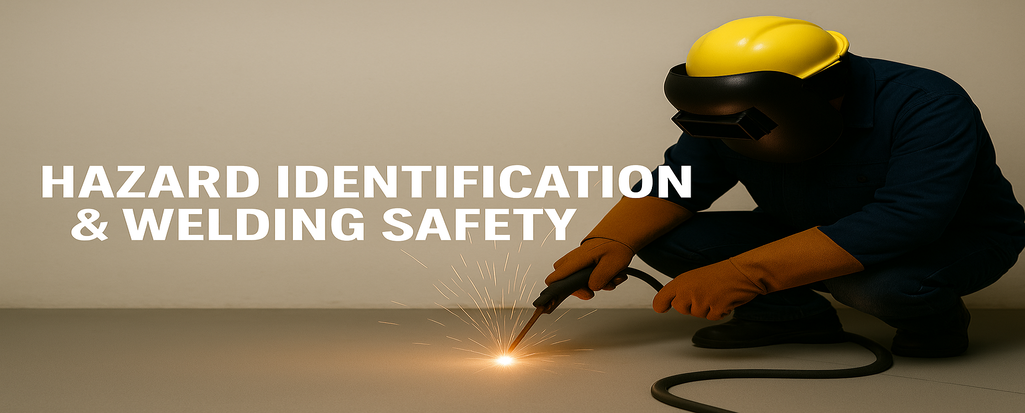
SAFE-WELD: Hazard Identification and Welding Safety – Course Overview
The SAFE-WELD Hazard Identification and Welding Safety Program equips the public, workplace supervisors, and safety personnel with the knowledge and skills necessary to conduct thorough safety inspections of worksites. This course aligns with Alberta Occupational Health & Safety (OH&S) regulations and best practices for ensuring a safe and compliant learning environment for students participating in work-integrated learning programs.
📌 Key Learning Modules:
- Regulatory Requirements & Due Diligence: Understanding OH&S legislation, employer/student responsibilities, and risk management.
- Hazard Identification & Risk Assessment: Recognizing physical, chemical, biological, and ergonomic hazards in the workplace.
- Worksite Inspection Techniques: Learning how to conduct structured safety inspections, evaluate employer compliance, and document findings.
- Student Health & Safety Considerations: Implementing hazard awareness, training, and PPE requirements to safeguard student workers.
- Incident Reporting & Emergency Preparedness: Developing response plans for workplace accidents and ensuring WCB compliance.
- Safe Work Practices & Cultural Awareness: Understanding workplace expectations, mentorship strategies, and behavioral safety for new workers.
✅ Upon Completion, Participants Will:
- Understand and apply Alberta OH&S legislation and student safety regulations
- Conduct effective worksite inspections, identifying and documenting potential hazards
- Assess employer compliance and ensure due diligence in workplace safety
- Recognize and mitigate risks that affect student workers, young workers, and new employees
- Implement safe work practices and hazard control measures to maintain a secure learning environment
- Develop emergency response procedures and incident reporting protocols to comply with Workers’ Compensation Board (WCB) requirements
- Pass a written knowledge assessment (minimum 80%) and successfully complete the practical evaluation
🎓 Certification:
Upon meeting all course requirements, participants will receive a SAFE-WELD Hazard Identification and Welding Safety Program Certification, recognized across Canada, ensuring they are qualified to inspect and evaluate work placements for student safety and compliance.
“This course was created by ACTI and generously donated to SAFEGEN as an added value to this creative sentence project. ACTI’s goal is to help eliminate potential hazards through improved recognition at the high school level.”

Mental Health in the Workplace – Course Overview
This course introduces young workers to the essential concepts of mental health and wellness within a workplace context. It helps participants recognize that mental health is a key part of overall health—equally important as physical safety on the job.
📌 Course Parameters:
- Level: Foundational
- Target Audience: Youth and Entry-Level Workers
🧩 Course Modules:
- Module 1: What is Mental Health 🧠
- Module 2: Stress ⏳
Not available unless Module 1 is marked complete. - Module 3: Harassment and Bullying 🚫
Not available unless Module 2 is marked complete. - Module 4: Anxiety in the Workplace 😟
Not available unless Module 3 is marked complete. - Module 5: Family Violence 🏠⚠️
Not available unless Module 4 is marked complete. - Module 6: Mindfulness 🧘
Not available unless Module 5 is marked complete. - Module 7: Support 🤝
Final module – unlocked after completing all previous modules. - 🎓 Certification: Certification is available upon successful completion of all course requirements.
📘 Outcomes:
- Build awareness of mental health in youth-focused workplaces
- Develop empathy and communication skills
- Contribute to a respectful and inclusive work environment
Developed for Youth Wellness & Safety Initiative, 2025

HCS3010: Workplace Safety Practices – Course Overview
Students gain the attitudes, knowledge, and skills related to workplace health and safety and examine relevant legislation required in the workplace.
Note: This course is also the prerequisite course for all off-campus learning experiences.
📘 Units of Study:
- Unit 1: Incidents, Accidents and Causation
- Unit 2: Hazards
- Unit 3: Hazard Assessment, Elimination, and Control
- Unit 4: Fire Safety and Prevention
- Unit 5: Job Safety and the Law
- Unit 6: Electrical Systems
- Unit 7: Ladder Safety
- Unit 8: Confined Space
- Unit 9: WHMIS
- Unit 10: Musculoskeletal Injuries (MSIs)
🎯 Learner Outcomes:
Please refer to each individual unit for specific learner outcomes. Each unit focuses on workplace safety principles, risk awareness, and regulatory understanding aligned with Alberta standards.
📊 Evaluation:
After completing the course, students must let their teacher know so they can be issued appropriate course credit.
🎓 Certification:
Certification is available upon successful completion of all course requirements and passing exam mark of 70%.